
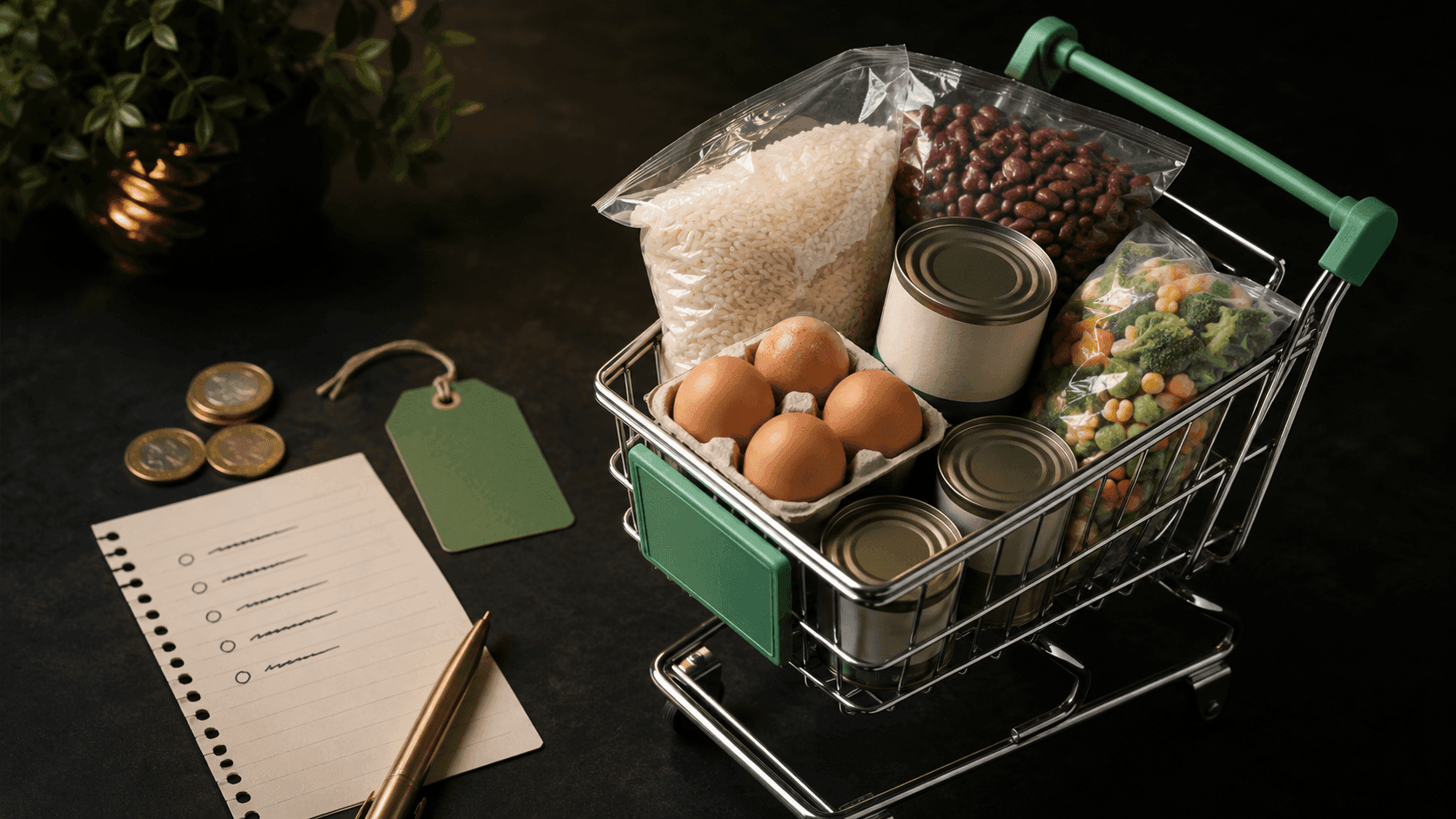
Beating inflation on groceries comes down to three moves: switch stores for staples, swap name brands for store brands, and plan meals so food stops rotting in your fridge. Do those three things and you can cut a typical grocery bill by 15 to 25 percent, even while prices keep climbing. Coupons are noise. These are the levers that actually move your number.
That 15 to 25 percent isn't a guess. Grocery prices are still well above where they sat a few years ago, and your paycheck probably hasn't kept pace.
Why Your Grocery Bill Feels Broken
Here's the truth most people avoid: you're not bad with money. The math just changed under your feet.
Food-at-home prices in the U.S. rose roughly 25 percent between 2019 and 2024, according to the USDA Economic Research Service. That means a cart that cost you $100 a few years ago now runs about $125 for the same items. Nothing in your habits broke. The price tags did.
The trap is feeling so behind that you do nothing, or you try every extreme tactic at once and burn out by week two. We're not doing that. We're picking the few moves with the biggest payoff and ignoring the rest.
Think of your grocery bill like a leaky bucket. You don't need to plug every pinhole. You need to find the three biggest cracks and seal those first.
Move 1: Where You Shop Matters More Than Coupons
The single biggest lever isn't a clipped 50-cent coupon. It's the store you walk into.
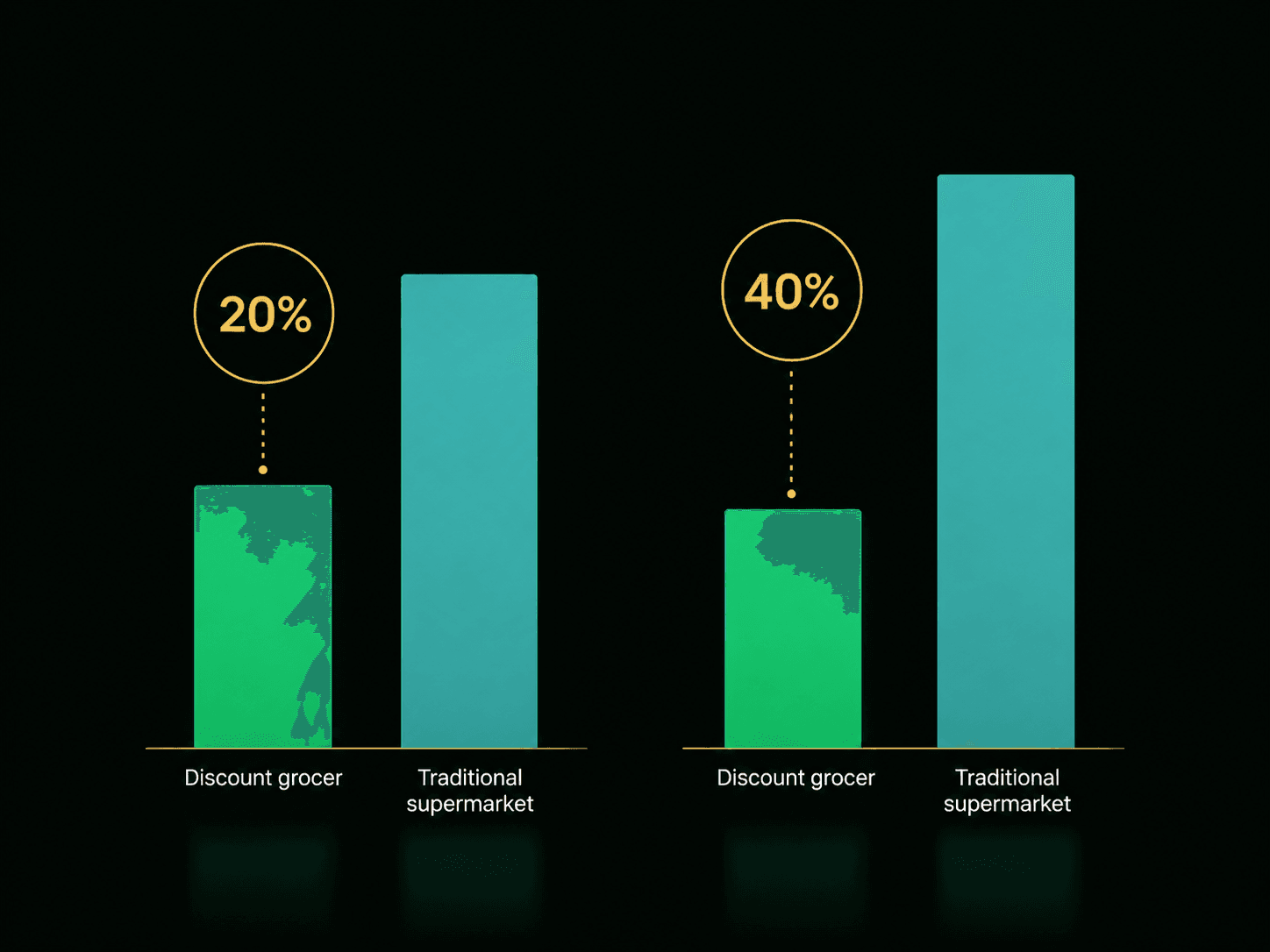
Discount grocers like Aldi and Lidl, plus warehouse clubs, consistently price staples 20 to 40 percent below traditional supermarkets, because they carry fewer brands and run leaner operations. You're not getting worse food. You're skipping the markup that pays for 14 kinds of ketchup and a fancy floral department.
You don't have to abandon your regular store. Split your shopping. Buy your shelf-stable staples (canned goods, rice, pasta, frozen vegetables, dairy) at the discount store, and grab the few specialty items you actually care about wherever you like.
A simple store-splitting routine
- List your 15 most-bought items from your last two receipts.
- Price-check those 15 at a discount grocer once.
- Move every item that's meaningfully cheaper to that store permanently.
- Keep your old store only for the handful of things it wins on.
That one-time hour of price-checking can quietly save you hundreds a year. No app, no clipping, no expiration dates to track.
Move 2: Store Brands Beat Name Brands on Almost Everything
Why this matters: switching brands is the easiest win in the entire store, and most of us skip it out of pure habit.
Store brands (also called private label, the supermarket's own version of a product) typically cost 20 to 30 percent less than the national name brand sitting right beside them. They're often made in the same factories, to similar specs. You're frequently paying extra for a logo and a TV ad budget, not better food.
Picture two cans of black beans side by side. Same beans, same can size, same shelf. One has a famous label and costs $1.29. The store brand costs $0.89. Over a year of weekly shopping, that 40-cent gap repeated across 30 items adds up to real money, more than most coupon strategies ever return.
Here's your action step: next trip, swap five name-brand items for store brands. Taste them. Keep the swaps your family can't tell apart, which will be most of them, and only revert the ones that genuinely fail. You keep the savings and lose nothing.
You Cannot Out-Coupon a Half-Empty Fridge
Let's pause the tactics for a second, because this is where most grocery advice quietly lies to you.
You can shop the cheapest store and buy every store brand on the shelf, and still hemorrhage money if the food rots before you eat it. The savings happen at checkout. The waste happens at home, where nobody is watching the number.
So the third move isn't about spending less in the store. It's about throwing away less of what you already paid for.
Move 3: Stop Buying Food You're Going to Throw Away
Let's break this down, because this one stings.
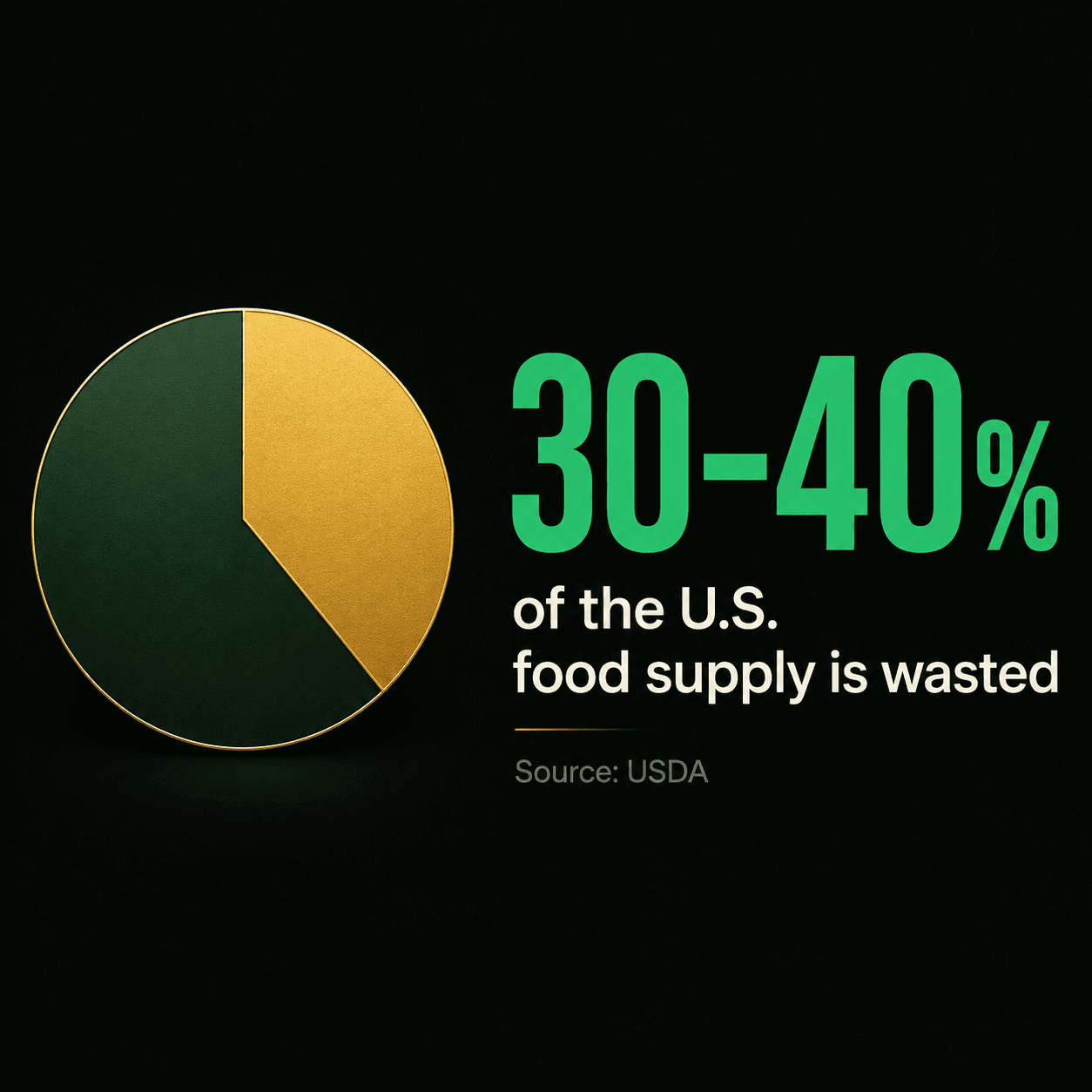
The USDA estimates food loss and waste at 30 to 40 percent of the U.S. food supply. Some of that is the supply chain, but a big chunk is the wilted spinach and forgotten leftovers in your own fridge. Every bag of rotten produce is money you earned, bought, and threw in the trash.
You don't fix this with willpower. You fix it with a plan.
Meal planning isn't a color-coded spreadsheet. It's deciding what you'll actually eat before you shop, so you buy the right amount and use it. Plan around what's already in your kitchen first, then around what's on sale. Buy perishables for the next few days, not a hopeful two weeks.
A quick rule that works: shop your fridge before you shop the store. Build two or three meals around what's already there, write the short list of what's missing, and stop. The food you don't waste is cheaper than any deal you can chase.
The Boring Truth About "Buy in Bulk"
Bulk buying gets treated like a cheat code. It isn't, and pretending otherwise costs people money every weekend.
Bulk only saves you money when two things are true: the per-unit price is actually lower, and you'll use it all before it goes bad. A 5-pound bag of spinach is not a deal if four pounds rot. A giant jar of a sauce you eat twice a year is just clutter you paid extra for.
So flip the logic. Buy in bulk on the stuff you reliably burn through and that keeps: rice, beans, pasta, frozen items, paper goods, oils. Buy small and often on anything perishable you don't fully control.
That one distinction protects you from the most common "saving" mistake there is, the one that feels frugal while quietly draining your wallet.
Quick Wins You Can Use This Week
Why this matters: motivation fades fast, so you want a few moves you can do on your very next trip.
- Never shop hungry. A growling stomach turns a $90 list into a $130 cart. Eat first.
- Build meals around cheap protein. Eggs, beans, lentils, chicken thighs, and canned fish stretch further than premium cuts.
- Check the unit price, not the sticker price. The small per-ounce or per-pound number on the shelf tag tells you the real cost. The bigger package isn't always cheaper.
- Set a cart cap. Decide your number before you go in and track it loosely as you shop.
- Buy frozen and canned produce. Often cheaper, lasts longer, and the nutrition holds up well.
Pick three of these for your next trip. Three beats fifteen, because three is the number you'll actually do.
If you want to capture these savings instead of letting them evaporate, the next step is making the freed-up money work for you. Our guide on building a $1,000 emergency fund paycheck to paycheck shows where that money should go first, and the best high-yield savings account rates for June 2026 show how to make it grow instead of sitting idle.
Beating Inflation on Groceries Comes Down to Three Moves
Here's where the plane lands. Beating inflation on groceries isn't about coupons, extreme couponing, or eating worse. It's about three durable habits: shop the cheaper store for staples, default to store brands, and plan your meals so food stops rotting. Stack those and a 15 to 25 percent cut is realistic, even as prices keep climbing.
Prices aren't going to apologize and drop back to 2019. But your bill is one of the few things you actually control, and these moves work whether you make $30,000 or $130,000 a year.
Start with one move this week: split your next shopping trip and price-check your top 15 staples at a discount grocer. Then funnel the savings somewhere that grows by parking it in a high-yield savings account where it actually earns its keep.